

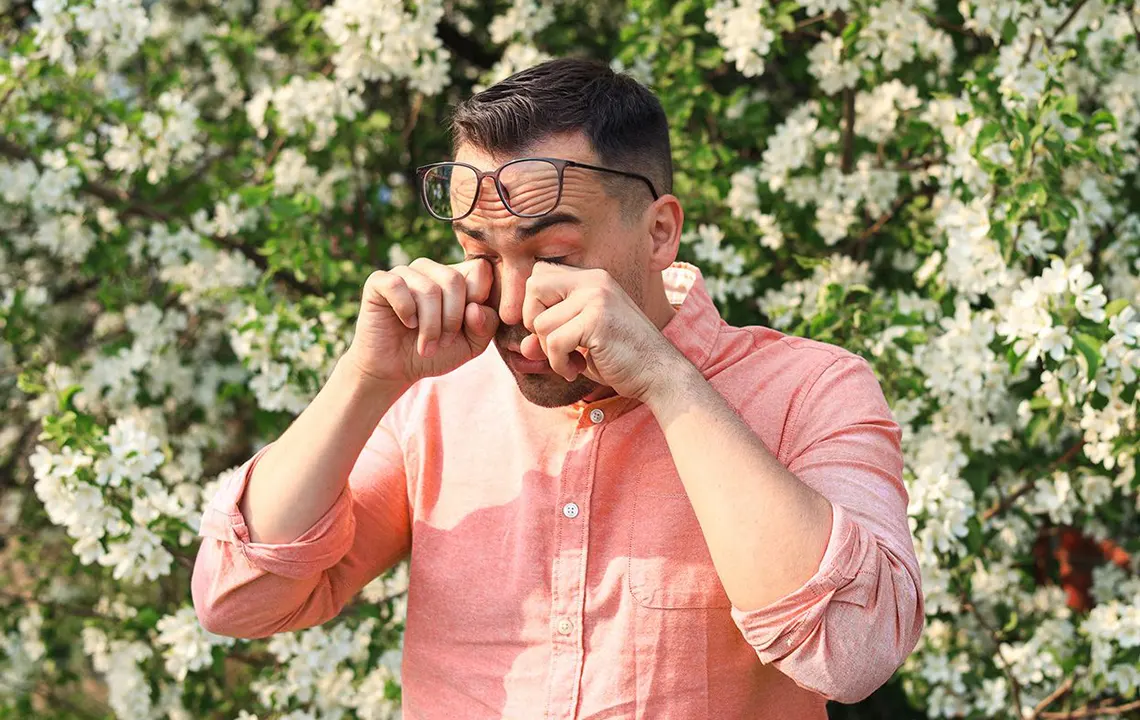
Spring is a time of renewal, blooming flowers, and longer days. However, for millions of people, it also signals the return of seasonal allergies. Sneezing, runny nose, itchy eyes, and congestion can make this beautiful season a nightmare. This guide will help you understand spring allergies and provide effective strategies to manage and minimize symptoms.
Understanding Spring Allergies
Spring allergies, also known as hay fever or allergic rhinitis, occur when the immune system overreacts to allergens like pollen, mold spores, and dust. Trees, grasses, and weeds release pollen into the air, triggering allergic reactions in sensitive individuals. The most common culprits include:
- Tree pollen: Oak, birch, maple, cedar
- Grass pollen: Bermuda, Timothy, Kentucky bluegrass
- Weeds: Ragweed, pigweed, lamb’s quarters
Symptoms of Spring Allergies
Common symptoms include:
- Sneezing
- Runny or stuffy nose
- Itchy, watery eyes
- Coughing
- Sinus pressure
- Fatigue
Tips to Survive Spring Allergies
1. Monitor Pollen Levels
Check daily pollen forecasts and try to stay indoors when pollen counts are high, usually in the morning and on windy days.
2. Keep Windows Closed
While fresh air is nice, open windows allow pollen to enter your home. Use air conditioning instead, with a HEPA filter to trap allergens.
3. Shower and Change Clothes
After spending time outdoors, pollen can stick to your skin and clothes. Showering and changing clothes can help prevent prolonged exposure.
4. Use an Air Purifier
A high-quality air purifier can help remove allergens from indoor air, reducing symptoms.
5. Take Over-the-Counter Medications
Antihistamines, decongestants, and nasal sprays can relieve symptoms. Consult with a doctor to find the best medication for you.
6. Try Natural Remedies
- Saline nasal rinses help clear nasal passages.
- Local honey may help build resistance to pollen over time.
- Essential oils like eucalyptus and peppermint can relieve congestion.
7. Strengthen Your Immune System
A healthy diet, regular exercise, and proper hydration can improve your immune response and reduce allergy symptoms.
When to See a Doctor
If allergy symptoms persist despite home treatments, consult an allergist. Prescription medications, allergy shots (immunotherapy), or specialized treatments may be necessary.
Conclusion
Spring allergies can be frustrating, but with the right approach, you can enjoy the season without discomfort. By following these tips, you can minimize exposure to allergens, manage symptoms effectively, and make the most of the beautiful spring weather.